



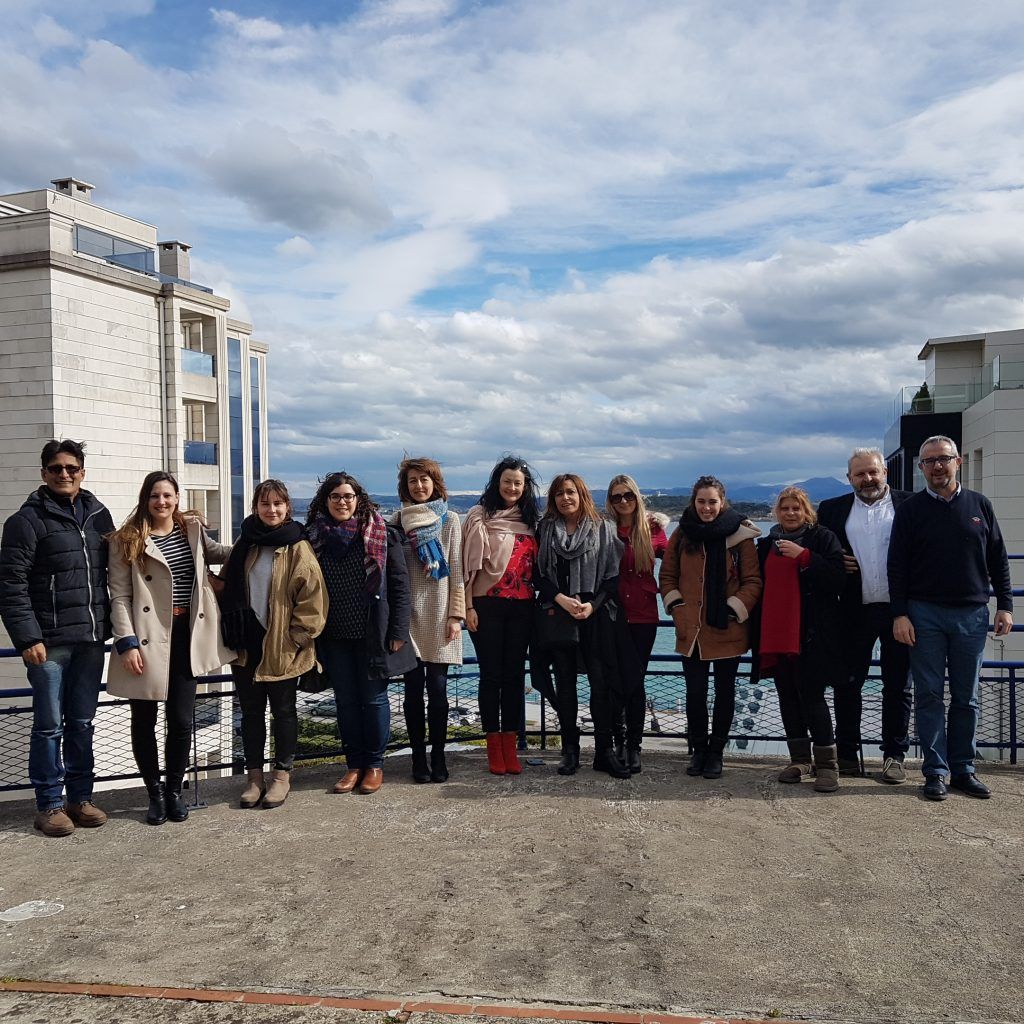
Kick off meeting of the InCommon Project in Santander on 1st and 2nd March, 2018
 InCommon is a project funded by the Asylum, Integration, Migration Fund (AMIF) of the European Commission. The action of the project is on line with European policies of integration and social inclusion of different groups with difficulties for the exercise of citizenship.
InCommon toolbox aims to implement an individualized guidance pathway for 400 migrant women for the exercise of citizenship through participation in culture of the host community. Next two years, project partnership will work on the guidance and empowerment of women, the involvement of volunteers in the support process and the commitment of cultural and educational stakeholders.
In order to transfer the experience of the project to other European countries and other target groups, a digital tool (Incommon Toolbox) will be developed to serve as a model for the rest of Europe. This tool will include, among others, a collection of good practices, a study on the analysis of the barriers that prevents women’s full participation in society and the methodology of orientation Cultural Participation Scale, in addition, training materials and evidence of the implementation of the project will be included. It will be an open resource, available through the project platform.
Along with migrant women with difficulties in the access to educational and cultural resources of the host community, volunteers, educators, cultural mediators, social workers, cultural and educational local stakeholders and organisations working on inclusion issues will be also beneficiaries of the project.
In this project, 8 partners, from 4 European countries collaborate: DOCUMENTA (Spain), EDICT (Cyprus), DIMITRA (Greece), KIST (Austria), EAPN CANTABRIA (Spain), KATO POLEMIDIA COMMUNITY (Cyprus), MUNICIPALITY OF LARISSA (Greece) and GS GAIN&SUSTAIN OG (Austria).
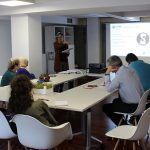
The kick off meeting of the project took place on March 1st and 2nd in Santander (Spain). The meeting served to set the guidelines of organization and management of the project and launch the first research work. From this moment on, an exciting stage begins for the project partners, in which we hope to achieve the involvement of all the beneficiaries of the project.


